
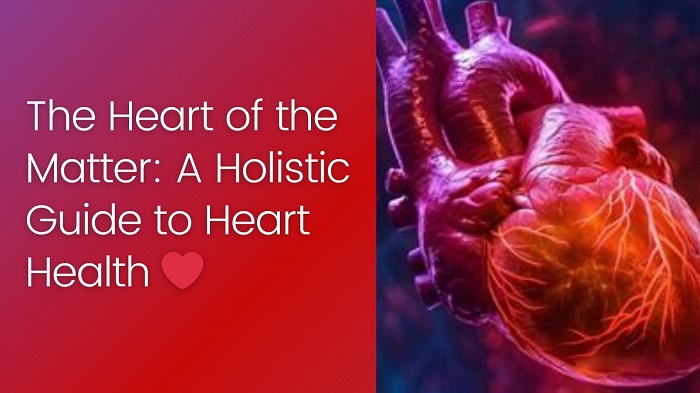
The Beat Goes On
Our heart is the very first organ we develop as foetuses in the womb. About the size of a clenched fist, the organ tirelessly pumps 100,000 times a day to keep us alert, alive, and occasionally moved to tears by a touching song, a sentimental movie, or, in my case, even an emotional TV ad. Yet, in our busy modern lives, this faithful organ often gets overlooked until it starts to complain.
Heart health isn’t just about lowering cholesterol or hitting the gym. It’s about nurturing your whole self – body, mind, and spirit – because the heart doesn’t operate in isolation. It’s both our biological engine and our emotional compass.
So, let’s take a holistic journey into heart health from the food on your plate to the rhythm of your breath and how to cultivate care from within.

Nourish with Love (and Leafy Greens)
You’ve heard the old saying, “You are what you eat.” If that’s the case, many of us might resemble a stacked cheeseburger – juicy, well-dressed, and mouth-wateringly good but perhaps not the ideal symbol of cardiovascular vitality. Fortunately, eating for heart health doesn’t mean removing flavour or fun from your diet. It’s simply about conscious choices that help you thrive.
One of the most celebrated eating patterns for heart wellness is the Mediterranean diet; a luscious lifestyle filled with olive oil, colourful vegetables, whole grains, pasta, goats cheese, and seafood. Imagine a dinner of grilled fish with garlic and herbs, roasted vegetables, and a drizzle of olive oil; your arteries might just sigh with happiness! This way of eating reduces inflammation, improves cholesterol balance, and encourages mindful enjoyment rather than restriction.

Equally important is colour. The more natural hues and super foods on your plate, the more antioxidants and vitamins you’re consuming. Deep greens like spinach and kale relax blood vessels, pink and blue berries boost circulation, and purple beets support healthy blood pressure. Even chocolate and red wine can have a place at the table; a few cubes of dark chocolate or a small glass of red wine can deliver flavonoids that support heart function while still feeling like an indulgence.
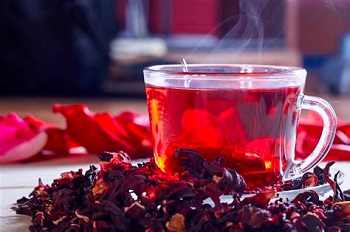
And let’s not forget hydration. Swapping sugary carbonated or heavily caffeinated energy drinks for natural juices, water, and teas such as chamomile, green, hibiscus, or rooibos can gently lower blood pressure and allow for a moment of calm in your schedule. Beginning your day with a green smoothie and ending it with a herbal tea rather than a late night coffee can make a world of difference.
Eating for your heart is, in essence, an act of self-preservation, one mouthful at a time.
Exercise for Every Body
Exercise is like a regular act of kindness to your heart, a reminder that you’re alive, capable, and blessed with the ability to move. But you don’t have to train like an athlete to reap health benefits; consistent movement of any kind strengthens your heart, boosts circulation, and floods your body with feel-good endorphins.
A brisk 20-minute walk most days of the week can dramatically reduce your risk of heart disease, even if it seems simple. Due to its accessibility, low impact on joints, and lack of cost, walking is a fantastic form of exercise. Add a dog, a friend, and some scenery, and it becomes both exercise and therapy.
Swimming, meanwhile, is like giving your entire body a gentle, buoyant hug. The water cushions your joints while challenging your muscles and cardiovascular system. If you’d rather keep your feet on dry land, cycling offers a similar benefit: strengthening the heart and lungs while adding a sense of adventure to your day. Whether you’re pedalling through a park or around your neighbourhood, it’s almost impossible not to feel like a kid again.

Gentler practices like qigong, stretching, tai chi, and yoga can be as equally effective. These mindful movement traditions not only stretch and strengthen the body but also calm the nervous system, lowering blood pressure and inviting balance. The key is consistency. Your heart thrives on regular, rhythmic movement, and it doesn’t care how impressive your mileage looks on an app.
Natural Boosts
While diet and movement form the foundation of heart health, certain natural supplements can lend additional support, especially in times of stress or increased physical demand. Consider them as a silent ally, quietly contributing to your heart’s nutritional needs.
One of the most researched is coenzyme Q10, or CoQ10 – a nutrient your body uses to produce cellular energy. It functions as a catalyst for your cells, safeguarding them against oxidative damage. Our natural levels tend to decline with age, so supplementation can sometimes make a real difference in energy and cardiovascular resilience.
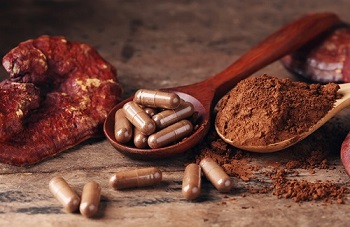
Reishi mushrooms have also been identified as a potential aid for heart health, particularly in lowering blood pressure in certain individuals. Indigenous to Asia, the Reishi mushroom contains compounds that possess antioxidant properties, which help protect cells from damage. Research has indicated that Reishi may reduce ‘bad’ cholesterol levels while potentially increasing ‘good’ cholesterol levels.
Omega-3 fatty acids, most commonly found in fish oils, are another cornerstone of heart support. They lower triglycerides, reduce inflammation, and help regulate heartbeat. For those following a plant-based lifestyle, flaxseeds, chia, and hemp seeds are excellent alternatives that can be easily added to smoothies, salads, or oats.
Magnesium is often overlooked but plays a vital role in regulating heartbeat, relaxing blood vessels, and reducing stress, all crucial for heart health. Similarly, garlic extract has long been used as a natural aid to lower blood pressure and cholesterol levels. If the raw stuff isn’t your style (or if your loved ones and co-workers object), odourless capsules are a great substitute.
And then there’s hawthorn berry, a gentle herbal remedy traditionally used to strengthen the heart muscle and improve circulation. Taken as a tea or tincture, it can support both the physical and emotional aspects of heart health.
Of course, even natural supplements should be approached with care. Always check with your GP or healthcare provider before starting anything new, especially if you’re already taking prescribed medication.
Breaking Bad (Habits)
Now, while adding heart-friendly habits is essential, limiting the harmful ones is equally important. The truth is, our modern lifestyle often invites silent saboteurs: processed snacks, stress-fuelled eating, and endless cups of caffeine, which can negatively impact cardiovascular health.
Highly processed ready meals and fried foods, for instance, are rich in trans fats and refined sugars that raise ‘bad’ cholesterol. While they may provide temporary comfort, the long-term impact on your arteries is significant. Cooking with fresh ingredients, grilling rather than frying, and choosing lean proteins can make a profound difference. Saturated fats like butter or fatty cuts of meat aren’t villains in small amounts, but they do need moderation. Swapping them for healthy fats from avocado, olive oil, and nuts is an easy upgrade your heart will appreciate.

Alcohol and caffeine also play complicated roles. A small amount may soothe or stimulate, but too much can elevate blood pressure and disturb your sleep cycles. Pay attention to how your body feels. If your morning coffee gives you jitters or evening wine fogs your mood, it may be time to rebalance.
And then there’s smoking – perhaps the heart’s greatest adversary and an issue I’ve struggled with extensively. The evidence is unequivocal: stopping smoking can halve your risk of heart disease within a year. It’s not easy, but it is transformative.
Finally, never underestimate the power of rest. Chronic stress and poor sleep increase cortisol, which raises inflammation and blood pressure. Try setting boundaries with technology, creating an evening wind-down routine, or simply breathing deeply for a few minutes before bed. Your heart needs calm as much as it needs cardio.
Mysterious Magnetism
Our hearts are not only tissue and muscle, they are also powerful electrical and electromagnetic organs. Every heartbeat is initiated by an electrical impulse, and this activity generates an electromagnetic ‘toroidal’ field that is both measurable and well documented in science – just like that of the Earth’s. In fact, the heart produces the strongest rhythmic electromagnetic field of any organ in the body, 100s of times stronger than that of the brain.
Using highly sensitive instruments such as SQUID magnetometers, scientists have measured the heart’s magnetic field, which extends approximately 3 – 5 feet beyond the physical body in all directions.
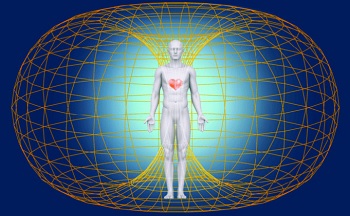
While the electromagnetic field body itself is a proven biological phenomenon, its broader implications are still being explored. The established scientific fact is that the heart is in constant communication with the brain and nervous system. This ongoing interaction has given rise to theories suggesting that the heart’s magnetic field may be geared to transmute patterns of encoded information. Such energetic transmissions could influence interpersonal relationships, fostering deeper connections that transcend verbal communication and potentially making moods, emotions, or even thoughts exchangeable.
From a holistic perspective, this emerging science invites a deeper appreciation of the heart as both a physical and regulatory centre – potentially bridging measurable biology with the esoteric while bringing added meaning to the “good vibes” mantra.
Open Your Heart (and Mind)
Beyond biology then, the heart is also considered to be the seat of emotion, compassion, and connection. To truly nurture heart health, we must also tend towards this emotional centre. After all, what good is a strong pulse if it beats in a chest that’s closed off from the world?
In yogic philosophy, the Anahata chakra, commonly known as the heart chakra, symbolises empathy, forgiveness, and unconditional love. When this chakra is open, it radiates harmony and warmth; conversely, when it is blocked, we may experience feelings of isolation or resentment.
Engaging in heart-centred meditation can help activate and open your heart chakra. It involves gently massaging the chest in circular motions, visualising a soft green light radiating from the heart area, and repeating affirmations such as, “My heart is open to happiness, peace, and connection.” However, if this approach feels too “hippy dippy” or uncomfortable for you, consider acknowledging your heart’s presence regularly with a whispered gratitude for all it does for you.
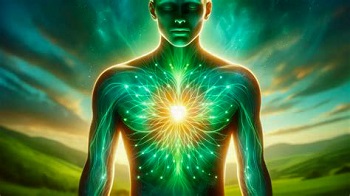
Breathwork is another powerful bridge between body and spirit, particularly when conducted in oxygen-rich outdoor spaces or adequately ventilated rooms. Slow, conscious, rhythmic breathing; deeply inhaling for five seconds and then exhaling for five seconds instantly calms the nervous system and helps synchronise the heartbeat. Each breath becomes a message of safety and presence to your body.
Self-love and forgiveness are also profound heart helpers. Emotional wounds, heartbreak, resentment, or self-criticism can weigh heavily on the chest, and any associated anxiety can affect blood pressure. Self-care rituals, talking therapies, or simply taking a few minutes each day to acknowledge your worth can ease that burden.
Physically, yoga offers many ‘heart-opening’ postures, including Camel, Cobra, and Bridge. These stretching poses expand the chest and invite life energy to flow freely through the torso. They not only improve posture and circulation but also symbolically teach courage and openness.

And finally, the practice of gratitude brings it all together. Studies have shown that gratitude lowers inflammation and steadies heart rhythms; literal proof that love and thankfulness are good medicine. Whether through journaling, prayer, or a heartfelt conversation, nurturing appreciation and connection strengthens the invisible threads that make life meaningful.
I’ve wanted to create this post for years, because physical or emotional heart complications touch all of us at some point. I’ve personally lost family members, close friends, and exes to heart-related issues; experiences that have been shocking, confusing, and at times almost unbelievable. It’s sometimes the people who appear healthiest on the outside who remind us how fragile the heart can be.
Beyond physical loss, I’ve also felt the toll of emotional heartache through relationships and situations that did far more harm than good. Those experiences carried real consequences: anxiety, rising blood pressure, isolation, and the slow erosion of emotional safety. At times, I closed my heart to protect myself, only to discover that shutting down emotionally can invite its own quiet forms of illness and didn’t actually help with healing at all.

It isn’t always easy to believe in what we can’t see, like electromagnetic fields, energetic boundaries, or even the subtle signals our bodies send us – but awareness changes things. When we pay attention, we can strengthen resilience, soften defences, and rebuild self-confidence.
Above movement, nutrition, and holistic wellness, I’ve come to believe that finding real joy is one of the most powerful medicines available to us. The people, places, and moments that make us feel alive and connected do more for our health than we often give them credit for. Laughter, adventure, affection, and genuine happiness nourish every system in the body, especially the heart.
I’m not claiming that the tips detailed within this post can prevent all heart disease, but more so that caring for ourselves intentionally has never been more important. In a post-pandemic world, where trust in established systems has been tested and personal responsibility has taken on new weight, tuning in to our wellbeing is an act of both self-respect and self-preservation.
As we enter 2026, resolutions will be made, intentions will be set, and promises will be declared. If this post achieves anything, I hope it inspires a deeper appreciation for the heart. It works tirelessly for us every moment of our lives, and the least we can do is show it some gratitude from time to time. Given all that it endures, protects, and sustains, our hearts truly deserve it.


